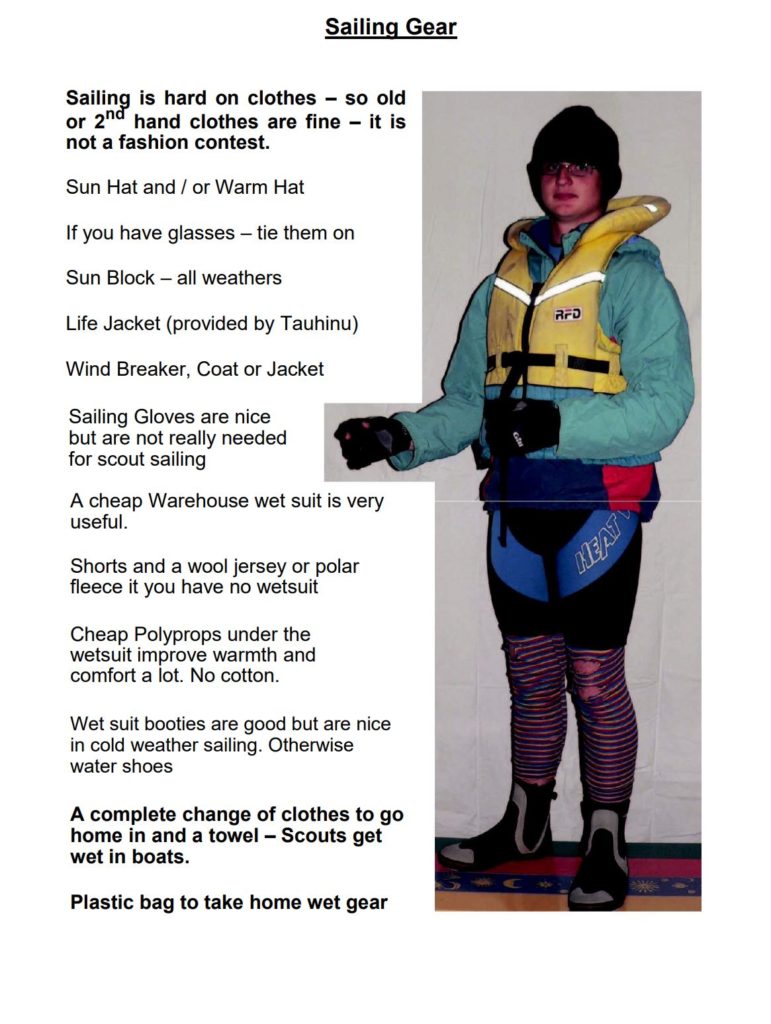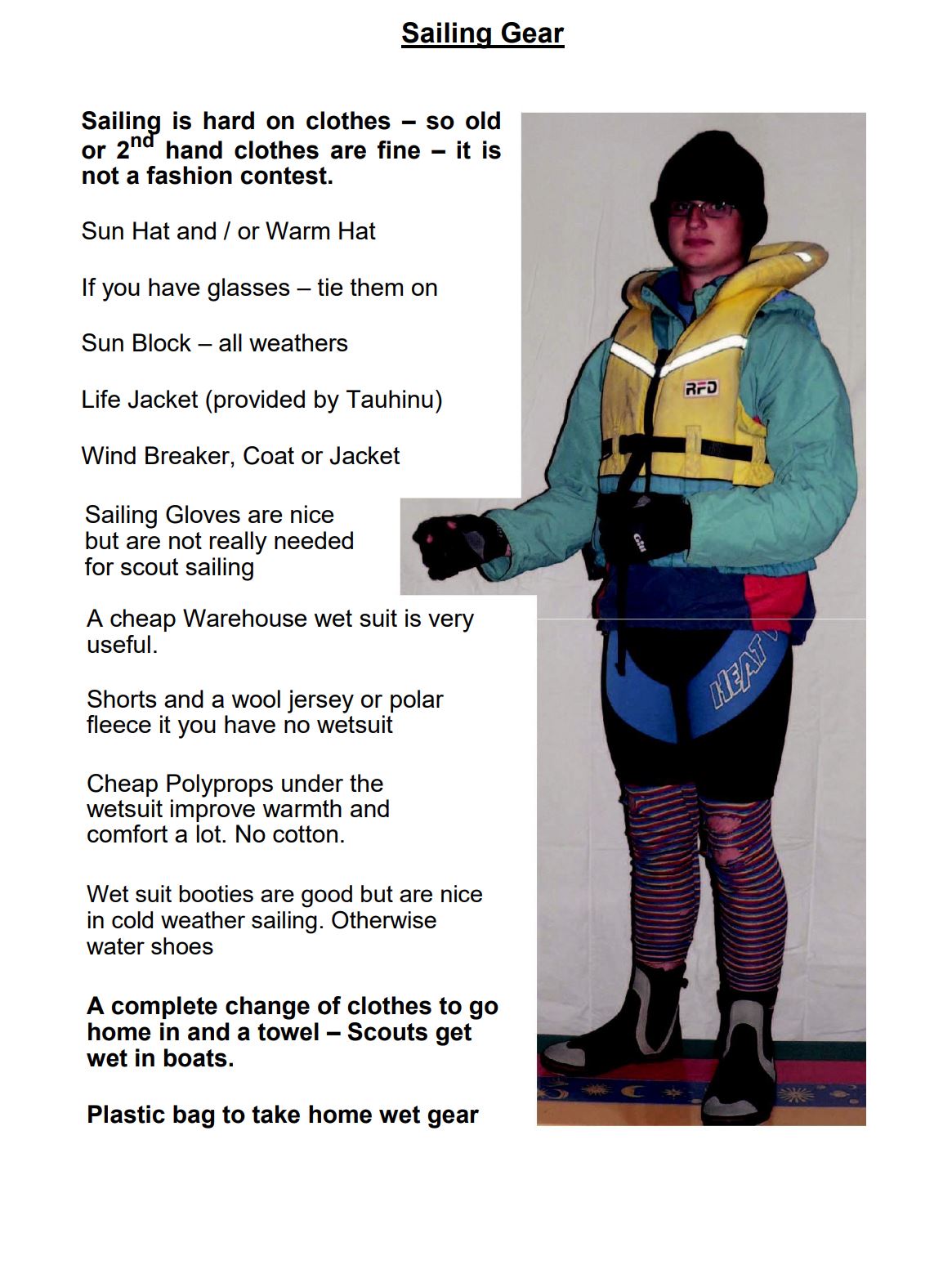

Equipment can be built upon as youth move through the different sections. For the packing and maintenance of gear, it is important for youth to take personal responsibility for doing this themselves, with parents/guardians checking afterwards if needed. A lot of these items are highly useful for school camps as well.
📋 Tauhinu Cub Scout Gear List
🛌 Sleeping Arrangements
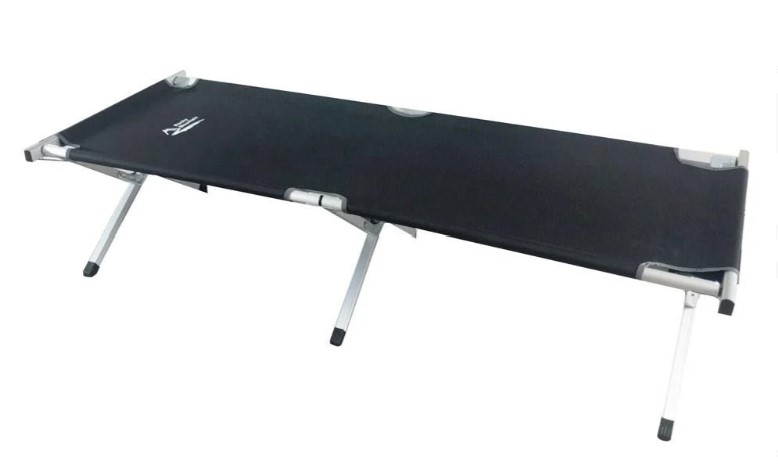
For sleepovers and camps, youth sleep on stretchers a lot of the time. These need to be off the ground like the type pictured, with youth being able to assemble these up themselves or with a buddy. The ground clearance also enables a gear storage box to slide cleanly underneath and keeps the tent interior tidy.
🥾 Longer Camps & Tramping
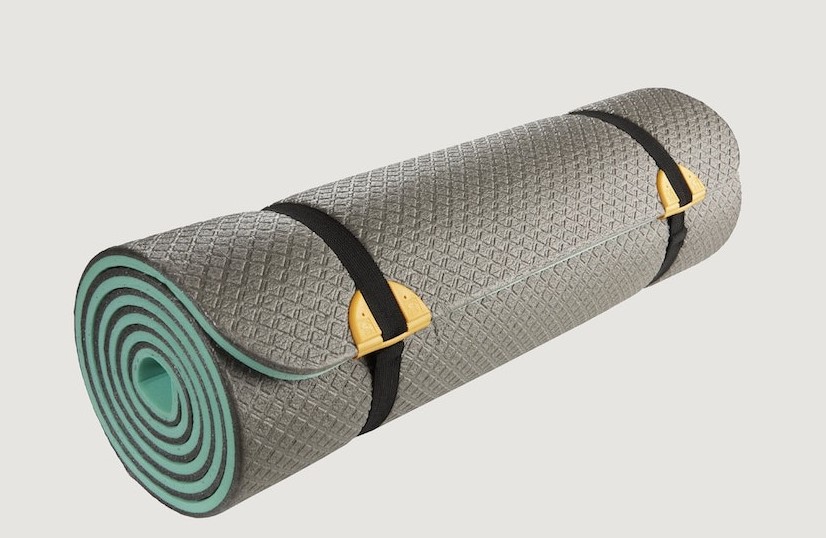
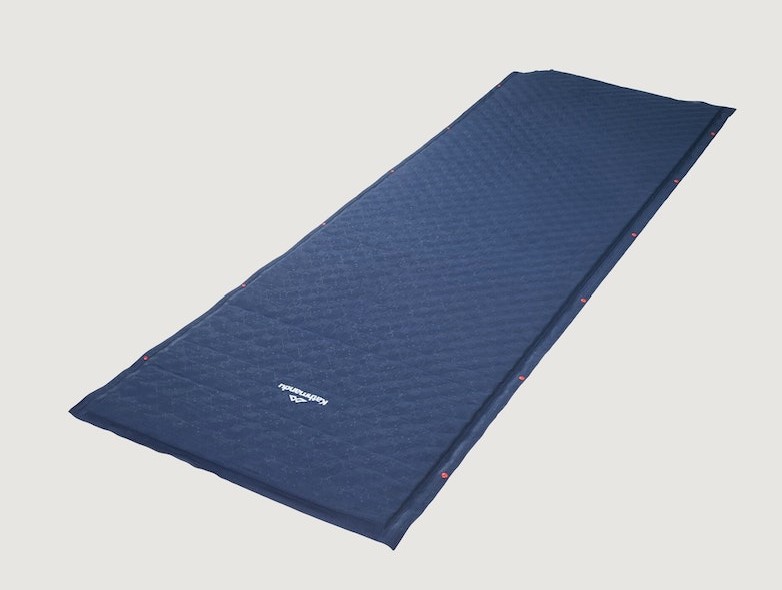
A self-inflating air mattress or foam roll is highly recommended to sit on top of the stretcher for warmth. This identical mat layer can then be dual-purposed for tramping or mobile camps when youth transition into utilizing the smaller lightweight hike tents.
📦 Gear Storage Containers
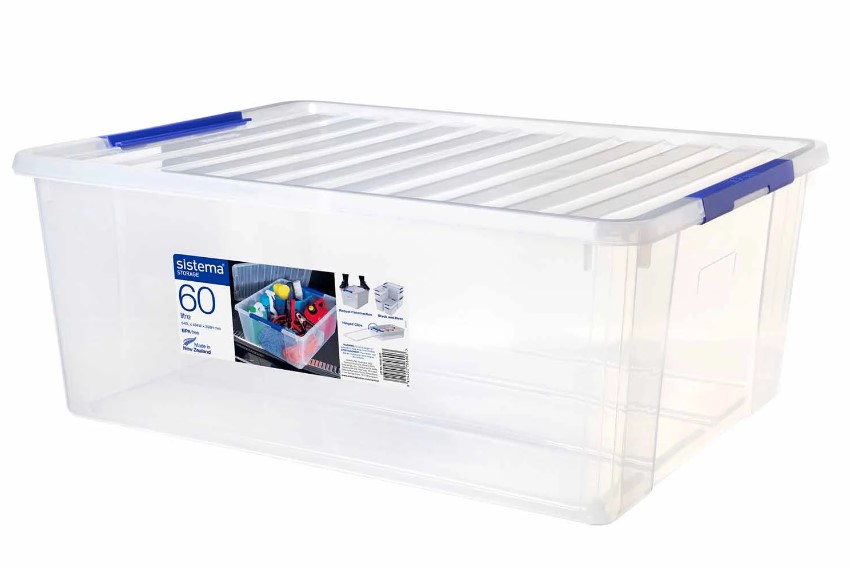
When advised, and mostly for longer camps and regattas, a 60L lower profile solid plastic storage box should be used for all personal gear. This explicit height profile ensures it fits directly under the stretcher.
When we “Day Mode” our big canvas tents to keep them fresh and aired, all gear items and stretchers are shifted around the tent perimeter each morning, so keeping everything contained in one uniform box greatly assists this rotation.
💡 Note: A bulky foam roll or sleeping bag might not fit inside the structural box; it is completely fine for those items to arrive at camp in a secondary foldup or temporary bag.
🍽️ Eating Utensils (Ditty Bags)
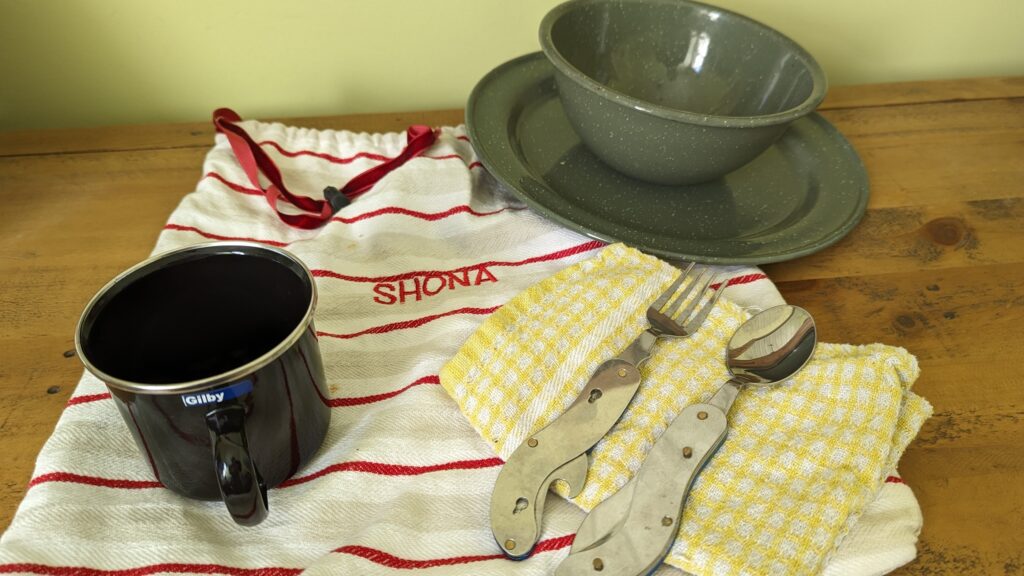
Youth use Ditty Bags, which makes a fantastic simple at-home project for them to sew or construct themselves, but any basic drawstring bag will do. The ditty bag stores cutlery, a plate, a bowl, and a mug—where every individual piece must be permanently named or initialed.
Include a clean tea towel, as youth wash and dry their own personal dishes on camp (and help with the leaders’ dishes occasionally!). Enamel or heavy metal items are preferred, as cheaper brittle plastics easily snap under camp conditions.
⚠️ Ensure plates, bowls, and cups are of a substantial capacity so youth receive proper energy portions. They will be incredibly hungry after active days on the water, so a tiny toddler-sized junior bowl will not cut it. The drinking mug should be separate from their dedicated water bottle to maintain overall hygiene tracking.
⛵ Sailing & Boating Footwear
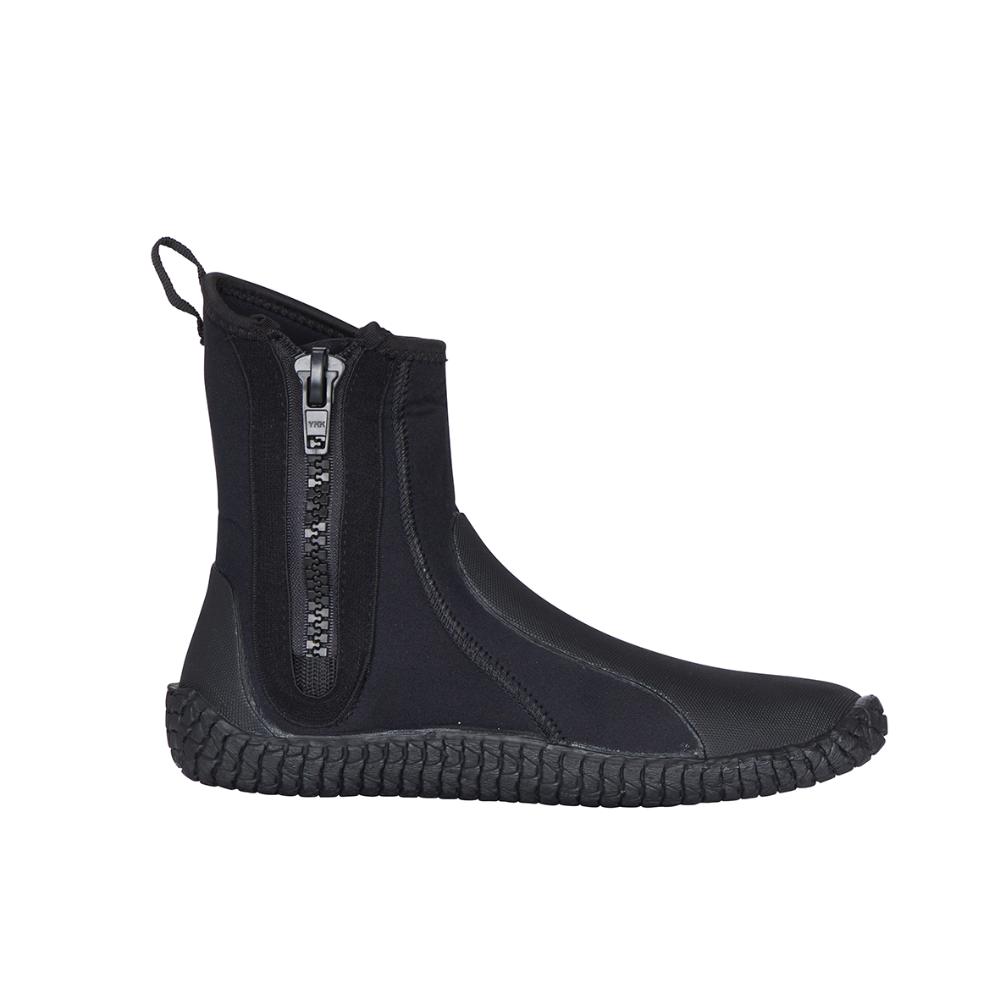
For all water activities, it is imperative to wear proper, secure water boots. Loose options like Crocs or jandals easily slide off or float away, provide poor traction grip on wet boat decks, and offer virtually zero protection from sharp rocks, debris, or oyster shells.